Our premier cold-formed steel and volumetric solutions optimized for regional wind profiles, high seismic load specifications, and local Brazilian NBR code validation.
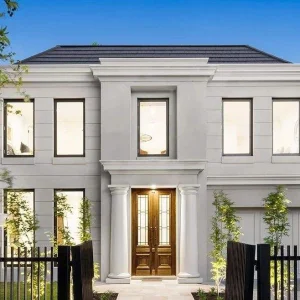
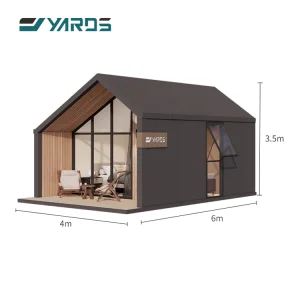
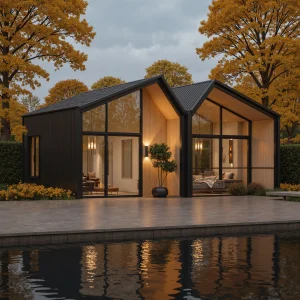
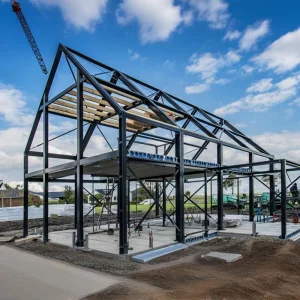
Brazil's civil construction sector is undergoing a profound structural shift. Driven by a persistent domestic housing deficit exceeding 6.2 million units, combined with the escalating raw material costs of traditional wet concrete construction (alvenaria), institutional developers and public infrastructure planners are rapidly transitioning to offsite prefabrication. Industrial light gauge steel frame (LSF) and modular volumetric building structures are at the vanguard of this evolution.
Historically reliant on artisanal site-built methods, the Brazilian market now prioritizes speed, precision, and predictability. By moving up to 90% of structural manufacturing into a controlled factory environment, developers in major urban nodes like São Paulo, Rio de Janeiro, and Belo Horizonte are eliminating common site challenges such as unpredictable rainfall disruptions, material theft, and labor inefficiencies. The integration of advanced structural steel design protocols (such as cold-formed C and U profiles) ensures that buildings erected from Manaus to Porto Alegre withstand diverse environmental conditions, including humid tropical climates and extreme coastal salinity.
"The combination of BNDES and local green financing frameworks has prioritized modular buildings showing superior Environmental, Social, and Governance (ESG) indices. Using steel frame systems reduces construction waste by up to 95% and energy consumption by 40% compared to traditional reinforced concrete building models."
Operating in the Brazilian modular construction sector requires absolute alignment with local regulatory and standardization frameworks. The primary regulatory benchmark for design and validation of steel framed structures is the ABNT NBR 14762 (Dimensionamento de estruturas de aço constituídas por perfis formados a frio - Cold-formed steel structural design) and the overarching performance code, ABNT NBR 15575 (Edificações habitacionais - Desempenho).
| Regulatory Standard | Technical Scope Focus | Mandatory Compliance Specifications |
|---|---|---|
| ABNT NBR 14762 | Cold-formed steel profile design | Verifies structural load capacity, local buckling resistance, and profiles stability. |
| ABNT NBR 15575 | Residential building overall performance | Dictates strict parameters for acoustic insulation, thermal transmittance, and durability. |
| ABNT NBR 8800 | Hot-rolled and welded steel frame design | Applied to mixed modular structural columns and heavy support components. |
| ABNT NBR 6123 | Wind forces on structures (Wind loads) | Requires design resistance for winds exceeding 45 m/s in southern regions (cyclone zones). |
To address coastal corrosion (common along the extensive coastline of Northeast Brazil, Rio, and Santa Catarina), cold-formed profiles must be hot-dip galvanized with a minimum coating thickness of Z275 (275 g/m² of zinc cladding) or zinc-aluminum alloys. Additionally, the thermal performance requirements dictated by NBR 15575 require the implementation of physical thermal bridges breaks (e.g., expanded polystyrene (EPS) external insulation or rockwool lining) to ensure energy efficiency in Brazil's hot northern and mid-western climates.
A primary concern for international project developers importing modular housing units or raw steel frames to Brazil is the complex import duty structure and logistics framework. Utilizing deepwater ports such as the Port of Santos (SP), Port of Paranaguá (PR), and Port of Itajaí (SC) requires thorough strategic preparation to minimize port dwell time and ensure smooth clearance through customs (Receita Federal).
Understanding the local tax structures—specifically the IPI (Industrialized Products Tax), PIS (Social Integration Program), COFINS (Contribution for Social Security Financing), and regional ICMS (State VAT)—is critical. At Ningbo Eky Home Co., Ltd., we mitigate these supply chain risks by ensuring all structural components are pre-coded using correct HS Codes (Harmonized System), providing comprehensive Bill of Materials (BOM) documentation, and offering space-efficient flat-pack or knocked-down volumetric packaging that minimizes shipping container volume (HQ 40-foot container optimization).
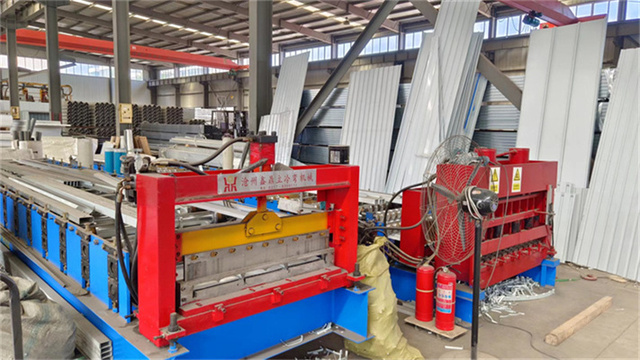
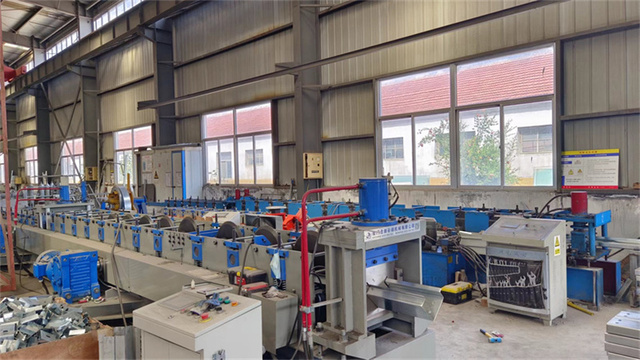
The future of modular steel framing in Brazil is deeply linked to digital fabrication technologies and materials science. By integrating BIM (Building Information Modeling) software with CAD/CAM roll-forming machines, structural designs are directly translated to manufacturing floor systems with zero manual margin of error.
Key technological integrations driving the current industrial evolution include:
Ningbo Eky Home Co., Ltd. is a professional manufacturer of modular houses, prefabricated homes, and portable building solutions in China. With years of expertise in modular construction and advanced manufacturing capabilities, we provide innovative, cost-effective, and sustainable building systems for customers across residential, commercial, industrial, and public infrastructure sectors.
Our product portfolio includes modular houses, prefabricated homes, portable cabins, expandable houses, container houses, modular villas, site offices, worker accommodation, classrooms, healthcare facilities, commercial buildings, hotels, security houses, storage buildings, and customized modular construction projects. Designed for rapid installation and efficient transportation, our products help reduce construction time, labor costs, and environmental impact while maintaining exceptional structural strength and long-term reliability.
At Eky Home, we combine modern production technology with strict quality management throughout every manufacturing process. Our experienced engineering team offers comprehensive OEM and ODM services, including customized floor plans, structural engineering, insulation systems, electrical and plumbing integration, interior finishing, exterior cladding, and project-specific solutions tailored to different market requirements.
Our modular buildings are manufactured using premium galvanized steel structures, high-performance insulated panels, and quality building materials that comply with international standards. They offer excellent resistance to corrosion, earthquakes, strong winds, and harsh climates while providing superior thermal insulation, energy efficiency, and low maintenance.
Eky Home's modular construction solutions are widely applied in residential communities, construction camps, mining projects, educational institutions, healthcare facilities, tourism resorts, commercial developments, government infrastructure, disaster relief housing, and temporary office projects. We continuously invest in product innovation, intelligent manufacturing, and sustainable building technologies to meet the evolving needs of global customers.
Today, our products are exported to Europe, North America, South America, Southeast Asia, the Middle East, Africa, and Oceania, where we have established long-term partnerships with contractors, developers, distributors, and engineering companies.
As a trusted modular house manufacturer in China, Ningbo Eky Home Co., Ltd. is committed to providing premium-quality products, flexible customization, competitive pricing, reliable delivery, and professional technical support. We strive to create efficient, sustainable, and future-ready modular building solutions for customers worldwide.
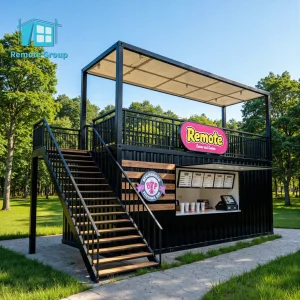
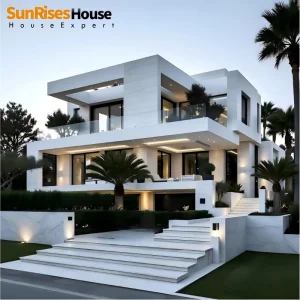
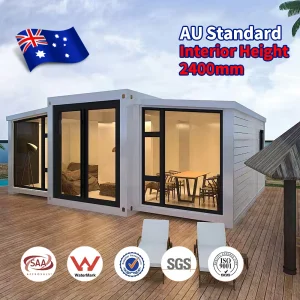
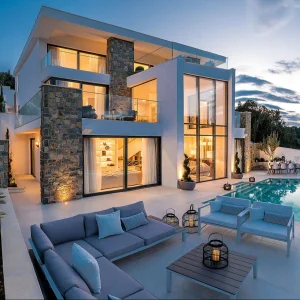
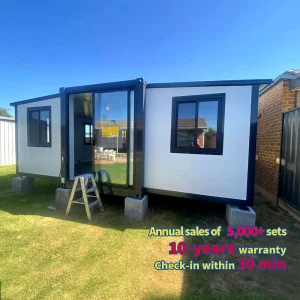
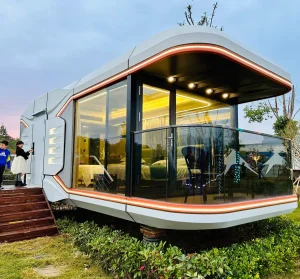
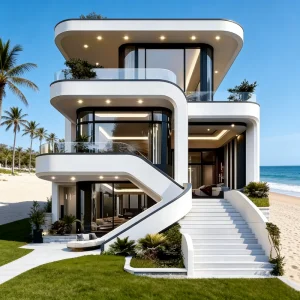
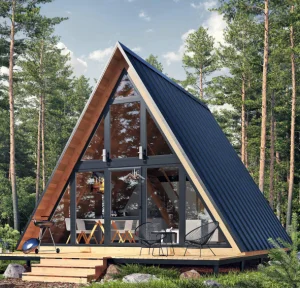
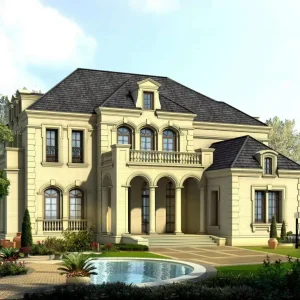
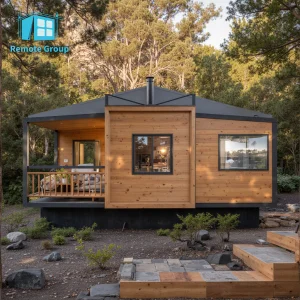
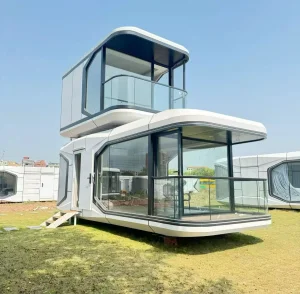
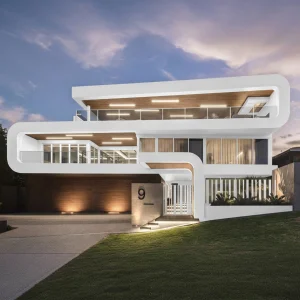
Discover our versatile range of pre-engineered systems, optimized for immediate international freight and fast onsite deployment across Brazil.
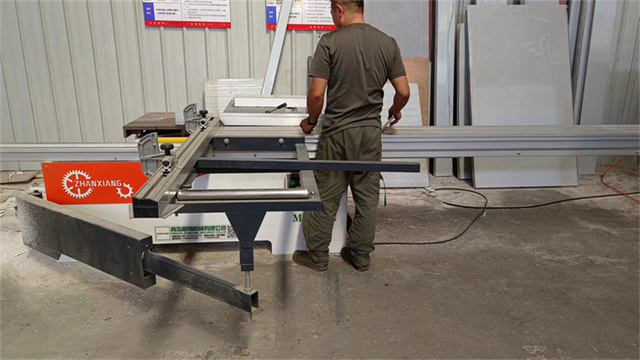
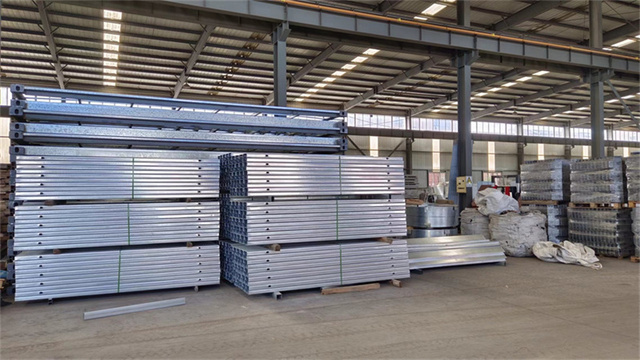
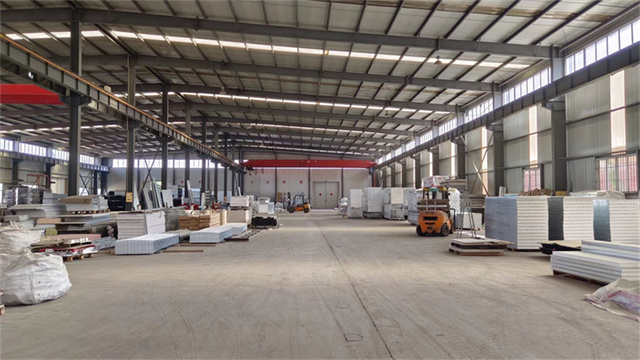
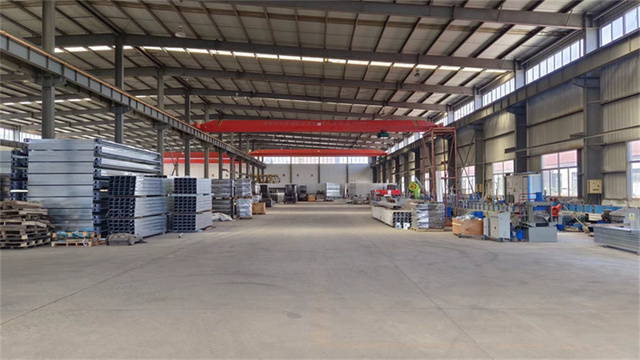
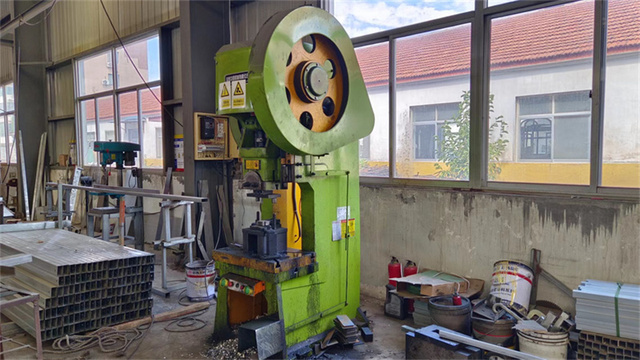
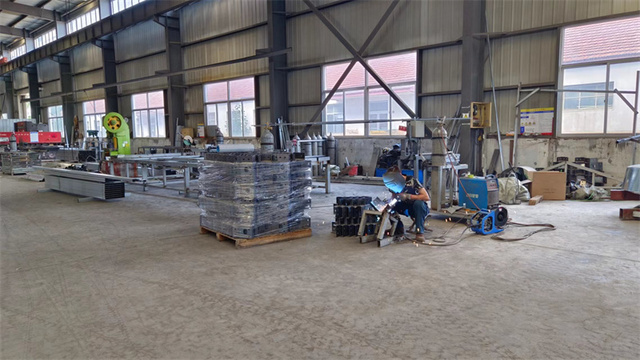
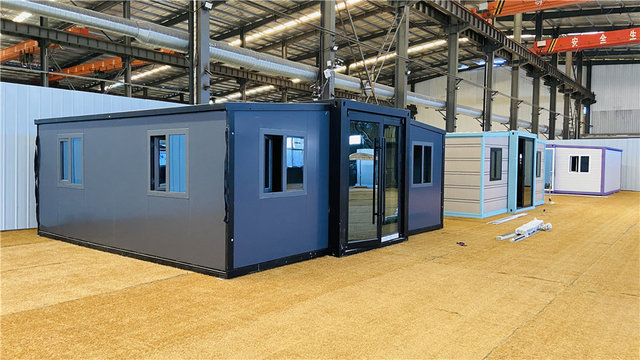
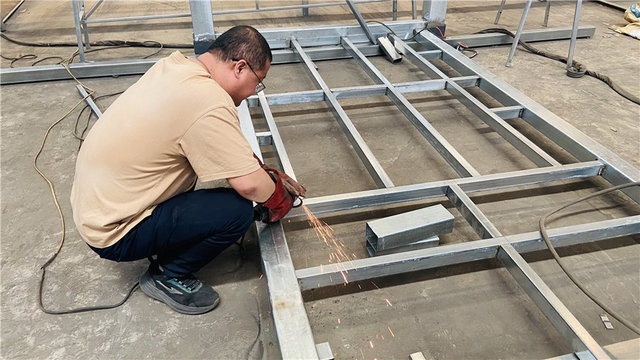
Take a virtual tour through our precision cold-rolling, frame assembly, and modular finishing workshops, built to comply with international structural parameters.
Key engineering, logistical, and architectural answers regarding the supply of modular houses to Brazil.
Connect directly with our engineering division to receive localized CAD files, customized layout proposals, and verified shipping quotations to any major port in Latin America.
Send Inquiry Now Eky Home