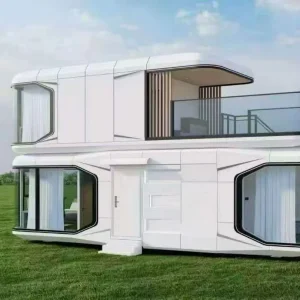
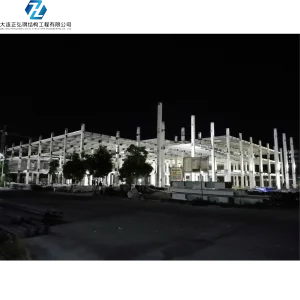
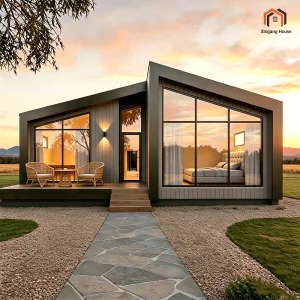
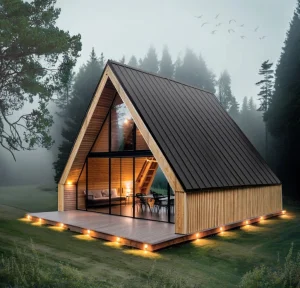
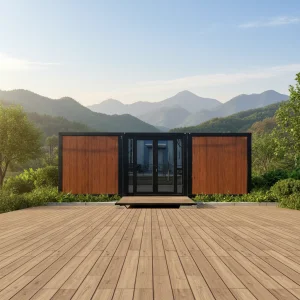
In an era marked by rapid climate fluctuation, intensifying geological hazards, and the necessity of immediate structural deployment, the demand for high-strength, deployable modular shelters has risen significantly. Humanitarian agencies, military commands, and civil protection departments no longer view disaster housing as temporary tarps, but as highly sophisticated, insulated, and rapid-erect modular ecosystems.
Whether responding to earthquakes, sudden flooding, industrial accidents, or large-scale displaced-persons crises, governments and NGOs demand structural reliability. Advanced modular emergency shelter technologies offer a massive leap forward by substituting conventional brick-and-mortar or fabric structures with engineered, pre-fabricated steel-framed cabins that ensure the physical security, thermal protection, and psychological comfort of occupants.
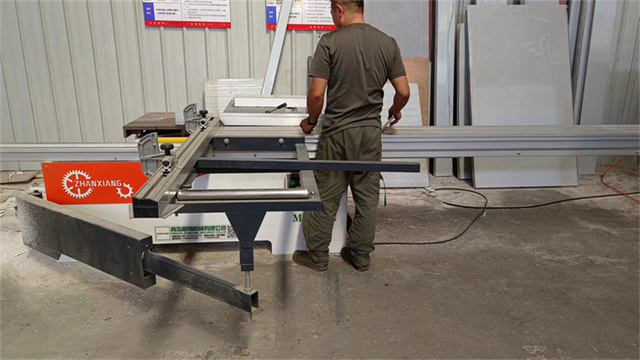
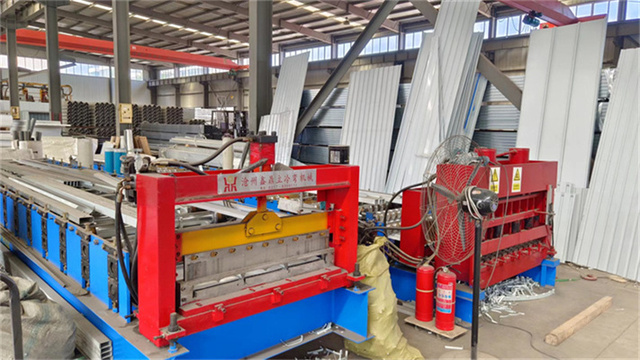
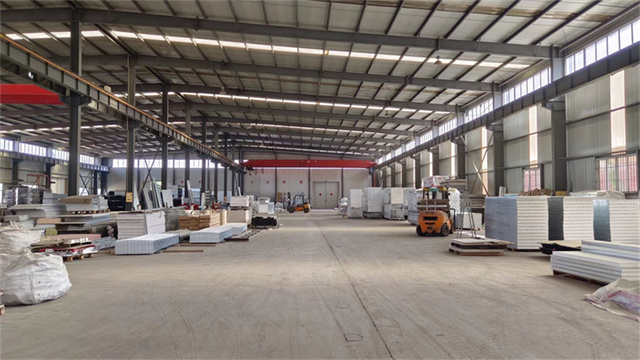
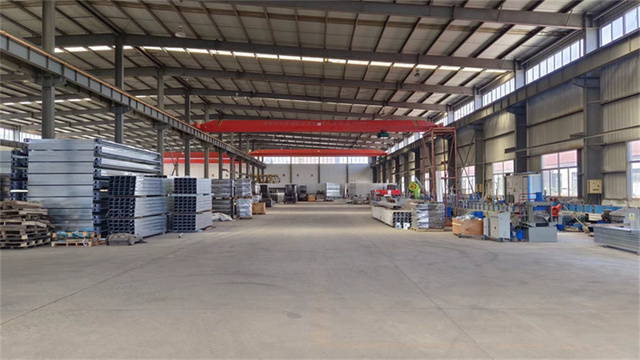
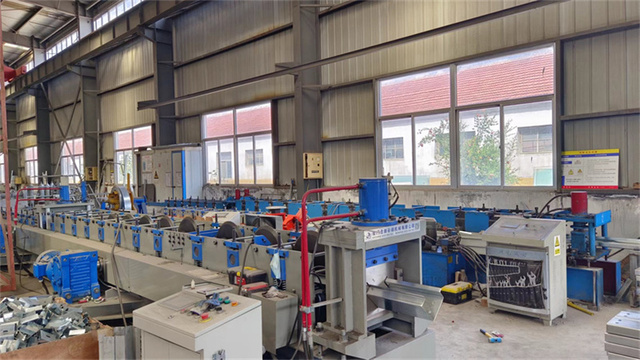
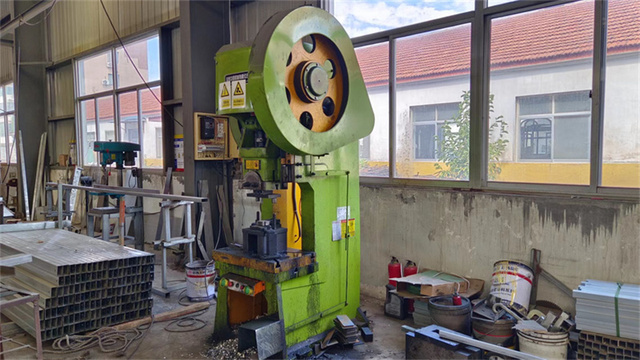
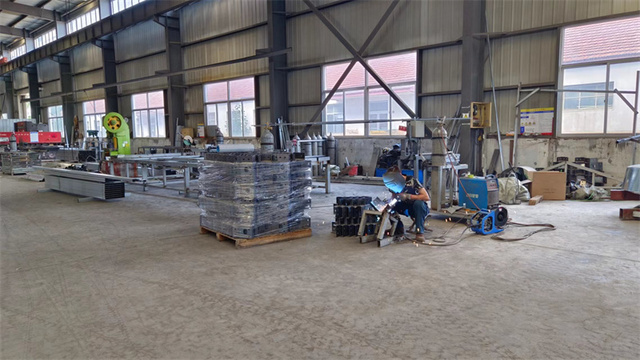
Ningbo Eky Home Co., Ltd. is a preeminent global manufacturer and exporter specializing in the engineering, design, and mass production of modular housing solutions. Nestled within China's premier advanced industrial zone, we harness state-of-the-art metallurgy, optimized robotics welding, and advanced panel lamination lines to manufacture modular systems that exceed international building safety parameters.
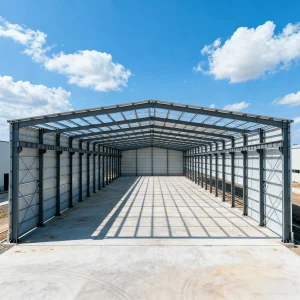
Our core capabilities range from single flat-pack site offices to massive multi-acre steel structure industrial complexes. By focusing on smart design, cost-efficiency, and rapid-assembly mechanics, we address the critical bottleneck of emergency management: reducing the time lag between disaster occurrence and safe human habitation.
Our location in Ningbo enables immediate access to deep-water ports and prime raw material markets, lowering logistics costs and shortening production schedules.
Constructed with hot-dip galvanized steel frames and dense rockwool or polyurethane insulation core panels to survive extreme weather events.
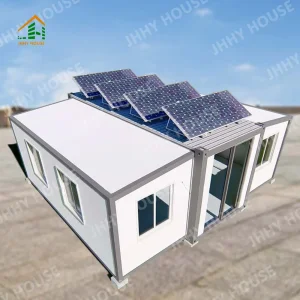
Engineered for zero-waste production, featuring recycled structural components, solar integration, and multiple deployment lifecycles.
Global procurement teams constantly balance budgets with extreme safety criteria. Chinese manufacturers, led by Ningbo Eky Home Co., Ltd., offer clear advantages that Western competitors struggle to match:
No two disaster areas or engineering zones are identical. The modular architectures designed by Eky Home are optimized for specialized localized contexts:
In regions such as Northern Europe, Canada, and high-altitude mining areas, keeping warmth inside is critical. Our structures are equipped with up to 100mm polyurethane (PU) insulation, double-glazed low-E thermal-break aluminum windows, and integrated floor heating grids to maintain comfortable interior temperatures when outdoor climates drop below -30°C.
In island regions of Oceania and Southeast Asia, moisture and severe wind loads represent major structural challenges. Our structural steel elements undergo heavy hot-dip galvanization (minimum 275g/m²) to prevent salt-fog oxidation. Furthermore, the structural design calculations are verified to withstand wind loads up to 120km/h and heavy tropical downpours.
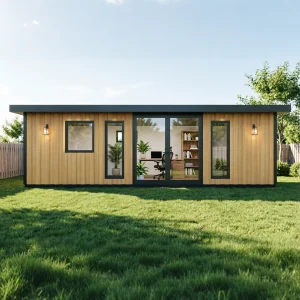
For municipal authorities needing temporary medical facilities, isolation spaces, or security booths, our modular container homes present plug-and-play practicality. Units come pre-wired for electrical configurations (compliant with EU/US standards) and incorporate pre-installed plumbing lines, enabling rapid deployment within days.
When sourcing emergency modular shelters, B2B procurement managers and relief agencies must establish structural benchmarks to ensure reliable delivery and durability. Below are key technical points to evaluate before purchasing:
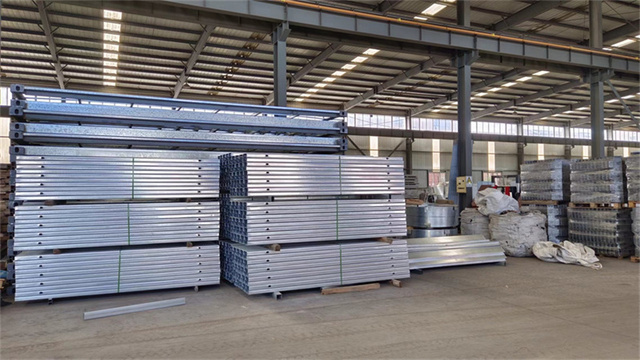
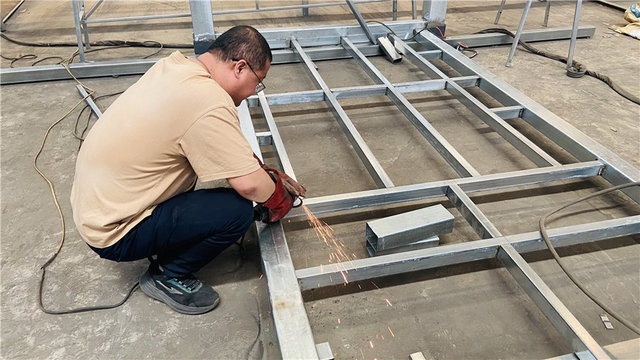
Insist on structural steel conforming to Q235B or Q355B standards. Hot-dip galvanization is required for external steel structures to prevent environmental oxidation, and paint thickness must exceed 80 microns for sea-spray environments.
Disaster relief compounds require Class A fire-rated wall panels. Rockwool sandwich panels present the best thermal-to-fire rating ratio, while PIR (Polyisocyanurate) is ideal for cold storage and extreme insulation environments.
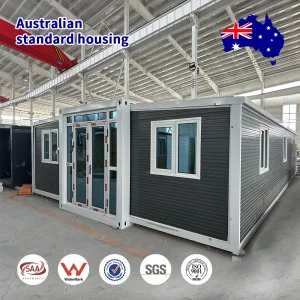
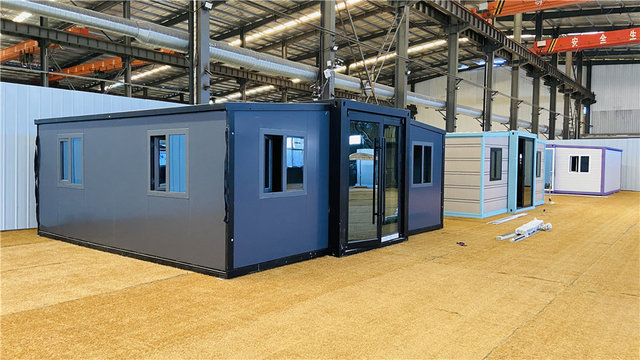
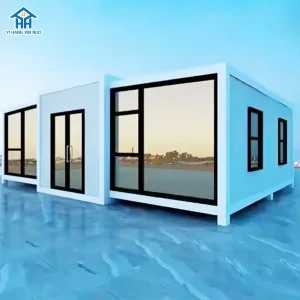
Select manufacturers who optimize dimensions to fit maximum square footage per shipping container. For example, our folding container cabins ship flat and unfold on-site within minutes, dramatically reducing maritime shipping logistics expenses.
The disaster response sector is pivoting towards smarter, more integrated modular products. Key trends reshaping our R&D departments include:
 Eky Home