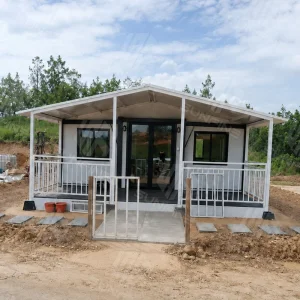
Engineered for high thermal performance, structural wind loads, and rapid logistics deployment to South Korea's regional provinces.
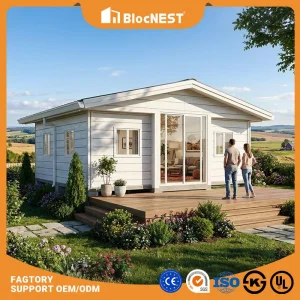
The construction landscape in South Korea (Republic of Korea) is undergoing a fundamental structural transition. Traditionally dependent on wet, on-site reinforced concrete pouring, the domestic residential and commercial sectors are facing severe constraints: escalating labor costs, a shrinking and aging skilled workforce, and increasingly stringent structural safety and eco-preservation regulations. Under the guidance of the Ministry of Land, Infrastructure and Transport (MOLIT), South Korea is rapidly adopting offsite modular construction as a standard operational methodology. Tiny modular houses, high-performance container cabins, and prefabricated light-gauge steel frameworks have advanced from simple, temporary shelters to premium, code-compliant, permanent structures.
In South Korea, tiny modular houses are utilized across diverse environments—from high-density urban infills in the Seoul Metropolitan Area to ecological tourism resorts on Jeju Island, agricultural storage configurations in Gyeongsangnam-do, and high-altitude ski lodges in Gangwon-do. This widespread deployment relies on an efficient global supply chain. Strategic modular component manufacturers, such as Ningbo Eky Home Co., Ltd., serve as critical suppliers, providing high-precision offsite engineering, advanced galvanized steel structures, and premium insulated panels directly to Korean builders and distribution partners.
For any modular factory or supplier exporting to South Korea, compliance with local structural codes is non-negotiable. South Korean construction projects must adhere strictly to the Korean Building Code (KBC 2016) and structural calculations concerning wind loads, snow loads, and seismic activities. Coastal developments, particularly in Jeju and Busan, require structures calculated to withstand extreme wind velocities of up to 45 m/s. Additionally, heavy winter snowfalls in Gangwon-do necessitate reinforced structural roof loads.
Moreover, South Korea's energy efficiency regulations for residential structures are among the strictest globally. The country's building insulation standard divides the nation into four thermal zones: Central 1, Central 2, Southern, and Jeju. To achieve building permits, modular houses must utilize wall panel insulation thicknesses that meet target U-values (Heat Transmission Coefficient). Eky Home resolves these regulatory requirements by offering customized panel insulation materials, utilizing high-density Polyurethane (PU), Polyisocyanurate (PIR), or high-grade Rockwool combined with thermal break structural steel frames, ensuring compliance with local architectural demands.
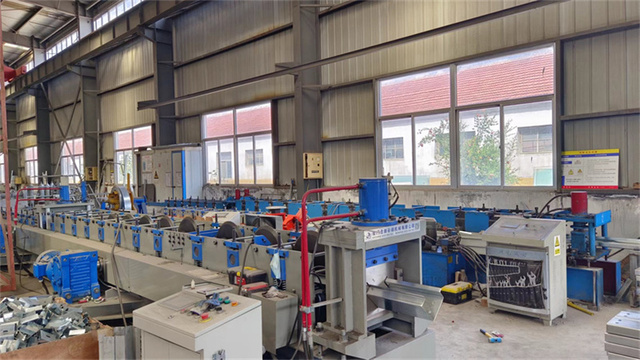
The manufacturing process at modern offsite factories involves robotic precision cutting, structural welding, advanced anti-corrosion hot-dip galvanization, and multi-layer structural floor integration. The table below highlights the comparative technical specifications designed to meet the extreme climate conditions of the Korean Peninsula.
| Engineering Attribute | Standard International Spec | Premium South Korea Compliance Spec |
|---|---|---|
| Steel Framework | Q235 Painted Mild Steel (1.8 - 2.5mm) | Q355 Hot-Dip Galvanized Structural Steel (3.0 - 4.0mm) + Zinc Coating (>120g/m²) |
| Wall Insulation | 50mm EPS / Glasswool Panels | 75mm to 150mm High-Density PIR / PUR or Rockwool Sandwiched Panels (U-value ≤ 0.15 W/m²K) |
| Roof Structure | Single Slope Corrugated Cover | Reinforced Multi-Layer Truss Structure with SBS Waterproofing Membrane, Snow Load Rating > 1.5 kN/m² |
| Floor Integration | 15mm Plywood + PVC Linoleum | 18mm Fiber Cement Board + Integrated Floor Heating Pipes (Ondol System Compatible) + Premium SPC Floor Tile |
| Window Systems | Single Glass Aluminum Slider | Thermal Break Aluminum Profiles with Triple-Glazed Low-E Glass (Argon Gas Filled, KS Certification) |
| Electrical Standards | Global Generic Wirings | KEC (Korea Electro-technical Code) Compliant Outlets, 220V/60Hz, Flame-Retardant PVC Conduits |
Corrosion is a critical challenge in coastal Korean areas, including Incheon, Busan, Yeosu, and Jeju. To prevent structural integrity degradation over time, our modular houses undergo comprehensive pickling, phosphating, and advanced electrophoretic powder coating processes. This three-stage protection barrier guarantees that the load-bearing steel skeleton resists salt-spray corrosion for over 30 years. Structurally, the corners of the modules are engineered with heavy-duty casting blocks and high-tensile connection bolts, allowing multiple modules to stack horizontally or vertically, providing a highly flexible architectural layout.
Pre-engineered subfloor channels designed specifically for hydronic floor heating, aligning with traditional and modern Korean domestic heating layouts.
Pre-wired conduits for smart door locks, automated window louvers, and centralized environmental control, meeting Korean smart home demand.
Engineered to dissipate lateral seismic forces, ensuring safety in seismic zone 1 regions in compliance with Korean structural directives.
The applications for prefabricated tiny houses in South Korea are distinct and varied, driven by land topography, local economy, and tourism models. In the subsequent sub-sections, we detail the primary utilization patterns that Korean developers and business operators employ:
Jeju Island, with its volcanic terrain, rich cultural heritage, and ecological protection zones, has strictly controlled traditional construction permits. Tiny modular units, specifically the *Prefab Capsule House* and *Beach Villa Hotel Container House*, offer minimum ecological disruption. Because these cabins are manufactured offsite and simply crane-placed on site onto helical screw piles, developers bypass the destructive grading phase. Low-E triple glazing and highly efficient thermal envelopes preserve energy in both humid summers and windy winters.
In highly built-up metropolitan environments, site space is extremely limited. Utilizing flat-pack modular solutions allows developers to lift prefabricated components directly onto building rooftops for commercial office or residential penthouse expansion. The rapid speed of assembly—often completed over a weekend—avoids municipal fines for street blockages and minimizes noise pollution complaints from surrounding dense neighborhoods.
In the mountainous regions of Gangwon-do, heavy winter snowfalls demand high roof-load performance. Modular cabins are designed with sloped roofs and high structural load capacities. These factory-insulated structures provide an excellent retreat for skiers and outdoor enthusiasts, offering thermal comfort comparable to a traditional concrete home but at a fraction of the capital cost and completion time.
For large-scale shipbuilding yards, chemical processing plants, and energy infrastructure installations along Korea's southern coast, housing hundreds of engineers and technicians is a persistent logistical challenge. Eky Home's *Modular Dormitory Container House* and *Site Camp Accommodation units* provide relocatable, scalable worker communities that can be easily transported to new sites once local industrial projects wrap up.
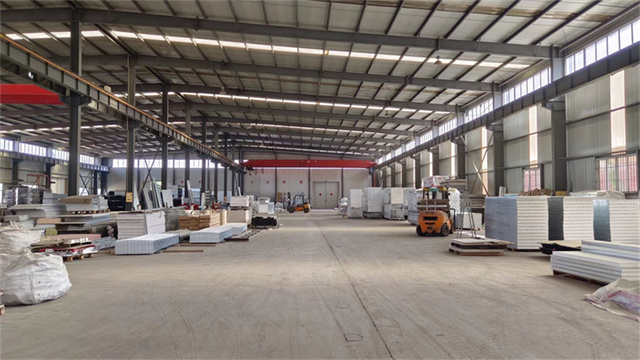
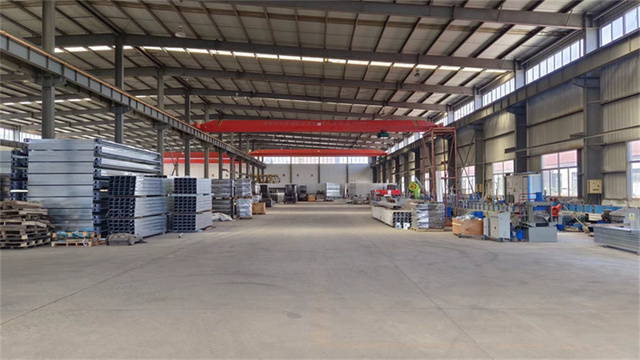
Ningbo Eky Home Co., Ltd. is a professional manufacturer of modular houses, prefabricated homes, and portable building solutions in China. With years of expertise in modular construction and advanced manufacturing capabilities, we provide innovative, cost-effective, and sustainable building systems for customers across residential, commercial, industrial, and public infrastructure sectors.
Our product portfolio includes modular houses, prefabricated homes, portable cabins, expandable houses, container houses, modular villas, site offices, worker accommodation, classrooms, healthcare facilities, commercial buildings, hotels, security houses, storage buildings, and customized modular construction projects. Designed for rapid installation and efficient transportation, our products help reduce construction time, labor costs, and environmental impact while maintaining exceptional structural strength and long-term reliability.
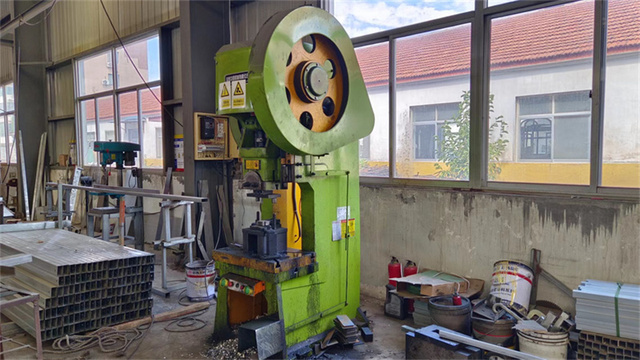
At Eky Home, we combine modern production technology with strict quality management throughout every manufacturing process. Our experienced engineering team offers comprehensive OEM and ODM services, including customized floor plans, structural engineering, insulation systems, electrical and plumbing integration, interior finishing, exterior cladding, and project-specific solutions tailored to different market requirements.
Our modular buildings are manufactured using premium galvanized steel structures, high-performance insulated panels, and quality building materials that comply with international standards. They offer excellent resistance to corrosion, earthquakes, strong winds, and harsh climates while providing superior thermal insulation, energy efficiency, and low maintenance.
Eky Home's modular construction solutions are widely applied in residential communities, construction camps, mining projects, educational institutions, healthcare facilities, tourism resorts, commercial developments, government infrastructure, disaster relief housing, and temporary office projects. We continuously invest in product innovation, intelligent manufacturing, and sustainable building technologies to meet the evolving needs of global customers.
Today, our products are exported to Europe, North America, South America, Southeast Asia, the Middle East, Africa, and Oceania, where we have established long-term partnerships with contractors, developers, distributors, and engineering companies.
As a trusted modular house manufacturer in China, Ningbo Eky Home Co., Ltd. is committed to providing premium-quality products, flexible customization, competitive pricing, reliable delivery, and professional technical support. We strive to create efficient, sustainable, and future-ready modular building solutions for customers worldwide.
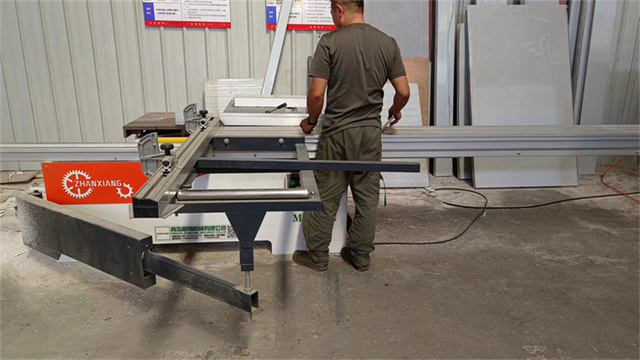
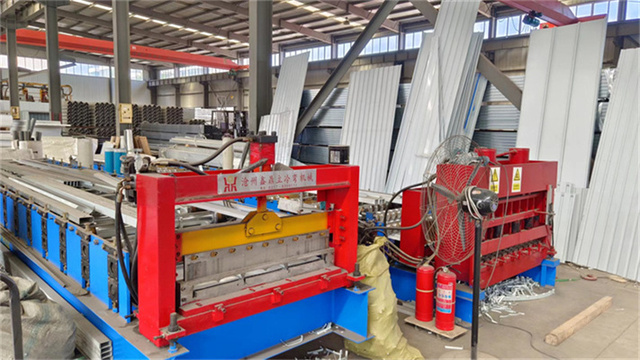
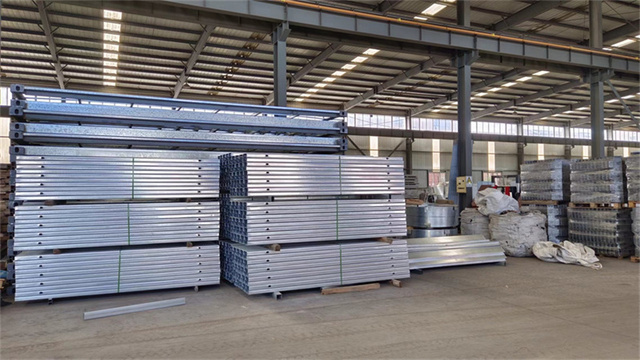
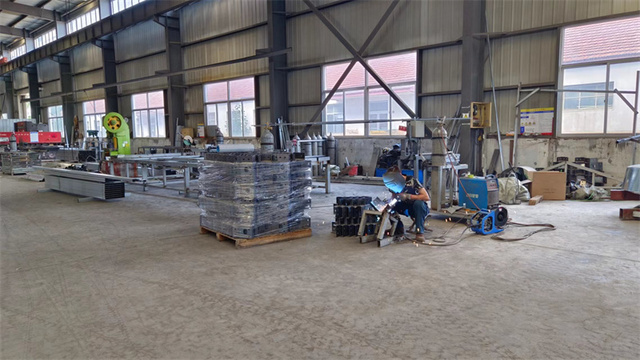
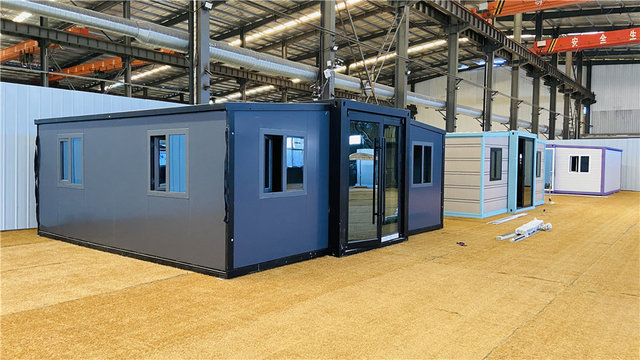
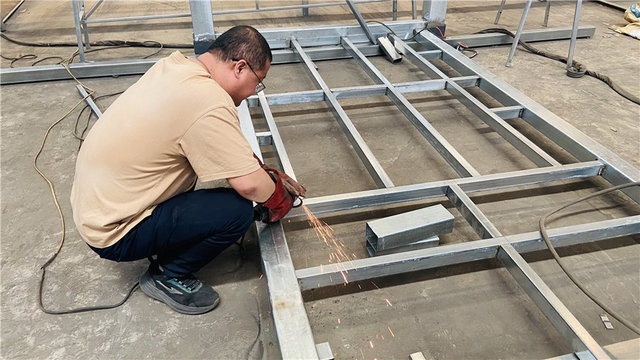
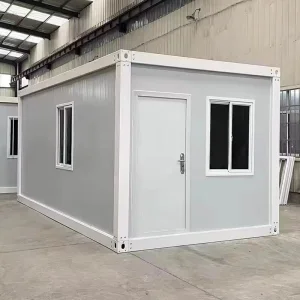
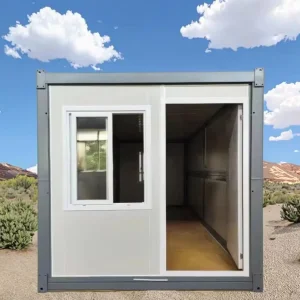
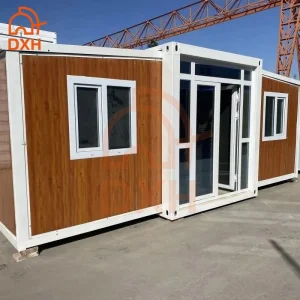
Discover our specialized modular units, ranging from expandable cabins to heavy-duty dormitory packs, designed for rapid transit and customized layout design.
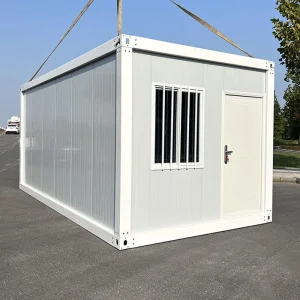
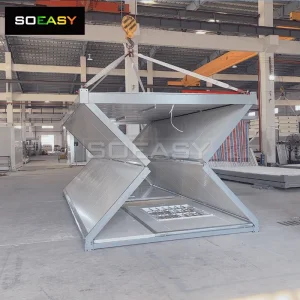
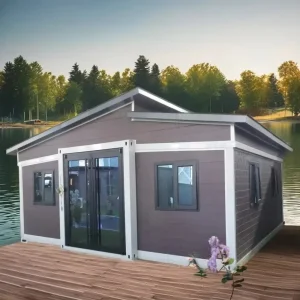
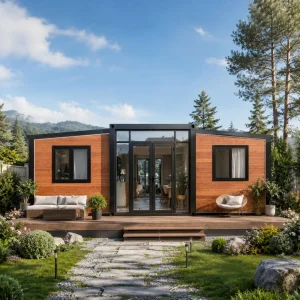
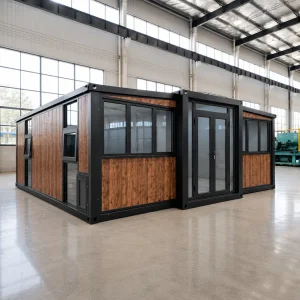
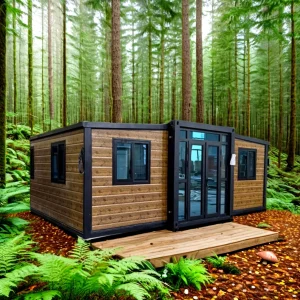
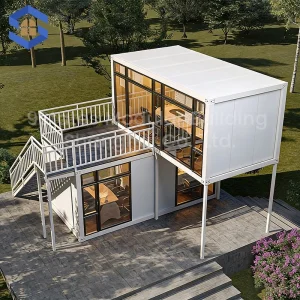
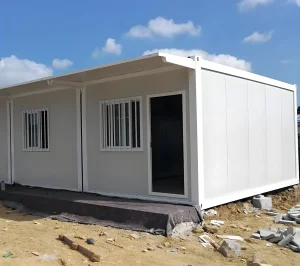
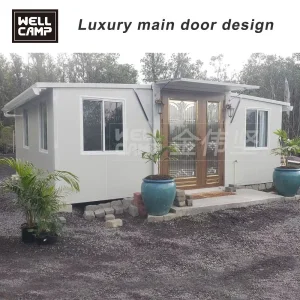
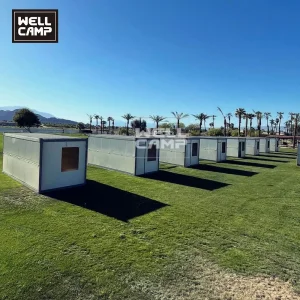
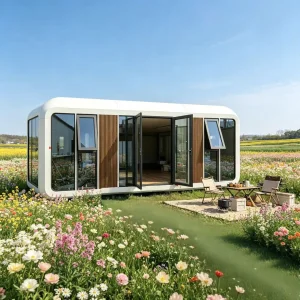
The success of importing modular homes into South Korea depends on well-coordinated maritime logistics and custom brokerage procedures. Ningbo Eky Home Co., Ltd. utilizes the strategic geographical proximity of Ningbo Port to South Korea's main ports—Busan, Incheon, and Gwangyang. By optimizing components for standard container shipping (utilizing high-cube 40-foot containers or flat-rack configurations), shipping logistics costs are minimized.
When modular units arrive in Korea, they are transported via flatbed trailers directly to the job site. Depending on the site accessibility, local contractors can assemble flat-pack variants in under 4 hours per unit, or crane pre-assembled volumetric structures (like the luxury Capsule House) onto pre-installed concrete piers. This quick transition from container shipping to onsite occupancy reduces project financial exposure, allowing resorts, hospitality companies, and commercial developers to begin generating revenue weeks or months ahead of traditional building schedules.
Traditional construction sites in South Korea produce large amounts of waste, contributing significantly to national landfills and creating noise and dust issues in local communities. Conversely, modular offsite manufacturing yields less than 2% construction waste due to optimized material sizing and recycling programs at the factory level. Additionally, our steel frames and composite sandwich panels are fully recyclable at the end of their operational lifespan. This structural reuse makes modular construction a key strategy for developers aiming to achieve sustainability goals and align with eco-conscious consumer preferences in Korea.
Crucial regulatory, structural, and procurement questions answered by Eky Home's technical department.
Receive detailed structural design consultation, logistics configuration plans, and cost-efficient FOB/CIF estimates customized for your construction site.
Send Inquiry Now Eky Home