As the construction industry evolves, a pressing question arises: are modular houses energy efficient? Experts in sustainable building have many insights on this topic. John Smith, a renowned architect specializing in modular designs, states, "Modular homes can lead the way in energy savings when built with the right materials and techniques." This perspective invites us to explore how these homes contribute to energy efficiency.
Modular houses offer numerous advantages. They are typically constructed in controlled environments, leading to less waste and higher quality. However, it's essential to recognize that not all modular homes are created equal. Factors such as insulation, window quality, and energy systems play crucial roles. Additionally, some might overlook the importance of proper site placement, which can greatly affect energy consumption.
While modular homes have the potential to be energy efficient, there are still challenges. Builders must remain vigilant about using sustainable practices. As the demand for energy-efficient solutions increases, the need for continuous improvement in the modular industry becomes evident. This evolving landscape prompts us to ask again: are modular houses truly energy efficient? The answer depends on various factors, including design choices and builder expertise.
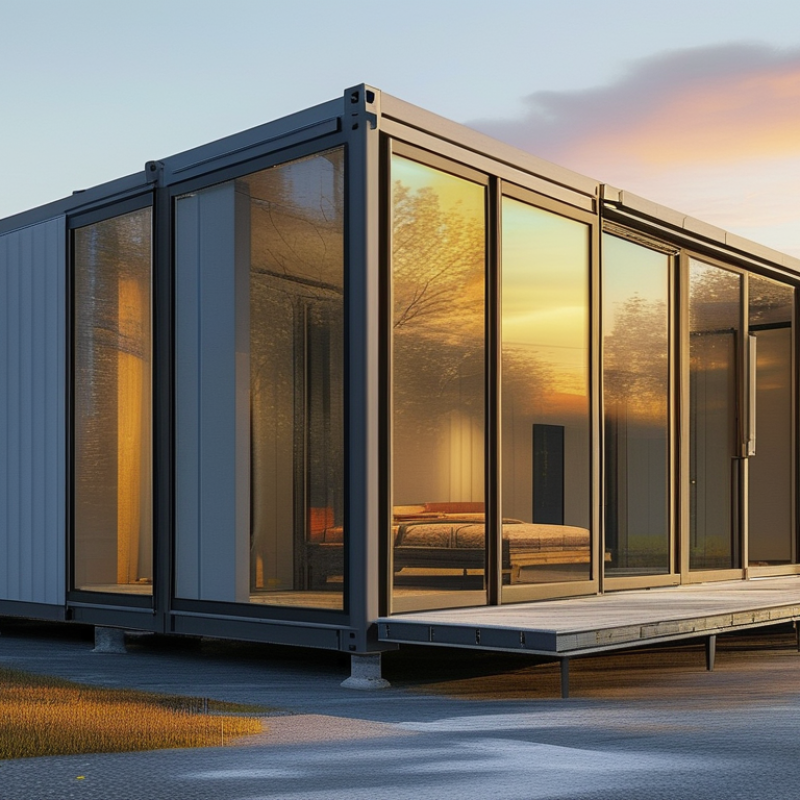
Modular houses represent a shift in modern construction. They are built off-site in controlled environments. This leads to increased efficiency and lower waste. According to a study by the Modular Building Institute, modular construction can reduce waste by up to 90%. This is a significant figure for the sustainability conversation.
A key feature of modular houses is their energy efficiency potential. Many designs prioritize natural light and ventilation. This reduces reliance on artificial heating and cooling. A report from the U.S. Department of Energy indicates that energy-efficient homes can save homeowners roughly 30% on energy bills. Additionally, modular units often incorporate insulation materials that outperform traditional homes.
While modular homes offer benefits, they aren't without challenges. Quality control can vary based on the manufacturer. It’s vital to choose a reputable builder. Local zoning laws can complicate placement. These factors warrant careful consideration. Achieving the desired efficiency often requires strategic planning and oversight.
Modular homes are gaining attention for their energy efficiency. An industry report from the U.S. Department of Energy highlights that modular homes are built in a controlled environment. This leads to reduced waste and more precise construction, which enhances energy performance.
Energy efficiency in modular homes relies heavily on insulation techniques. The average energy savings can reach up to 25% when higher-grade insulation materials are used. However, not all modular builders focus on these advanced options. There remains a gap in industry standards that can lead to variability in energy performance.
Moreover, while many modular homes are designed to be energy-efficient, a significant number still utilize outdated heating and cooling systems. According to the Energy Information Administration, about 30% of energy consumption in homes comes from these systems. This presents an opportunity for improvements in retrofitting older modular designs to enhance overall energy efficiency.
Modular houses can significantly enhance energy efficiency when designed with best practices in mind. According to the U.S. Department of Energy, buildings account for 40% of national energy consumption. A combination of strategic design elements can drastically lower this figure. For instance, utilizing high-performance insulation in walls and roofs is essential. Studies indicate that proper insulation can reduce heating and cooling costs by up to 30%.
Window placement and selection also critically impact energy usage. Opting for triple-glazed windows can minimize heat loss. The National Renewable Energy Laboratory highlights that thoughtful placement of windows can maximize natural light, reducing the need for artificial lighting. In addition, implementing passive solar design can harness sunlight effectively. It’s insightful to consider shading devices; they prevent overheating while still allowing light in.
However, not every modular home achieves its potential for energy efficiency. Often, builders overlook ventilation systems essential for indoor air quality. Poor ventilation can lead to moisture buildup, affecting structural integrity and health. This illustrates the need for ongoing education among builders and homeowners alike regarding best practices. Investing time in research and expert consultations can ensure that modular houses are both sustainable and efficient.
| Best Practice | Description | Energy Savings (%) | Cost Implications |
|---|---|---|---|
| High-Performance Insulation | Using advanced insulation materials to minimize heat loss. | 30% | Medium initial cost, long-term savings. |
| Energy-Efficient Windows | Installing double or triple-glazed windows to reduce thermal transfer. | 25% | Higher upfront investment, significant savings. |
| Solar Panel Integration | Incorporating solar panels for renewable energy generation. | 40% | High initial cost with federal incentives available. |
| Efficient HVAC Systems | Using HVAC systems with high SEER ratings for heating and cooling. | 20% | Moderate to high cost, reduced operational costs. |
| Smart Home Technology | Installing smart thermostats and energy management systems. | 10% | Low to medium cost, easy integration. |
Insulation plays a crucial role in modular construction. Proper insulation techniques can significantly enhance energy efficiency. When constructing modular homes, consider using high-quality materials that provide excellent thermal performance. Spray foam insulation is a popular choice. It expands to fill gaps, reducing air leaks. This can be essential during extreme weather.
Another effective technique is using insulated concrete forms (ICFs). ICFs create a strong thermal envelope. This approach minimizes energy loss. Homes built with ICFs typically maintain a stable indoor climate. In addition to thermal barriers, consider the placement of insulation. Strategic positioning can enhance the overall efficiency. For instance, insulating areas that often go overlooked can yield substantial benefits.
Yet, not all insulation methods suit every modular design. Some homes may experience issues, like moisture buildup. It’s important to assess local climates before deciding on insulation types. Additionally, pay attention to installation quality. Poor installation can result in performance issues over time. It's a balance of choosing the right materials and ensuring they are applied correctly. These factors are vital for optimizing energy efficiency in modular construction.
Modular houses present an innovative approach to energy efficiency, particularly through renewable energy integration. Solar solutions have emerged as a key feature in this sector. According to a 2022 report from the National Renewable Energy Laboratory, homes equipped with solar panels can reduce energy costs by up to 50%. This statistic is compelling for those considering modular construction.
Integrating solar energy involves strategic planning. The orientation of modular homes can significantly impact solar efficiency. A south-facing roof typically maximizes sunlight exposure. Additionally, incorporating energy-efficient windows can minimize heat loss. It’s essential to use materials that enhance insulation. That can also lead to meaningful reductions in heating and cooling needs.
While solar adoption is growing, challenges persist. Initial installation costs can deter some homeowners. Moreover, energy performance may vary based on geographic location. A 2021 study showed that in cloudy regions, solar efficiency can drop by 20%. This variability highlights the importance of tailored solutions. Each modular home should be assessed on its unique context to maximize renewable energy potential.
: Insulation enhances energy efficiency and maintains indoor climate stability in modular homes.
High-quality materials like spray foam and insulated concrete forms (ICFs) offer excellent thermal performance.
Spray foam expands to fill gaps, reducing air leaks and improving energy efficiency during extreme weather.
ICFs create a strong thermal envelope, minimizing energy loss and maintaining a stable indoor climate.
No, some designs may face issues like moisture buildup, so local climate should be assessed first.
Poor installation can lead to performance issues over time, highlighting the need for skilled workmanship.
Solar panels can reduce energy costs by up to 50%, providing significant savings over time.
The orientation of the roof and energy-efficient windows greatly affect solar performance.
High installation costs and variable energy performance based on geographic location can be deterrents.
Each modular home has unique contexts, which must be considered to maximize renewable energy benefits.
Modular houses have gained popularity due to their efficient construction processes and customizable designs. This article explores the key features of modular homes, particularly focusing on whether modular houses are energy efficient. It delves into industry insights highlighting their inherent advantages, such as reduced waste and quicker assembly times.
To maximize energy efficiency in modular construction, best practices in design and advanced insulation techniques are essential. Utilizing optimal insulation strategies can enhance overall performance and reduce energy consumption significantly. Additionally, integrating renewable energy solutions, such as solar panels, further boosts the sustainability of modular homes, making them an appealing choice for environmentally conscious buyers. Overall, the exploration of these aspects confirms that with careful planning and implementation, modular houses can indeed be energy efficient.

Eky Home