Modular House vs Traditional House Which is Better for You?

Time:2026-07-30 Author:Aria
0%

The decision between a modular house vs traditional house can be daunting. Each option has its unique advantages and challenges. A modular house is often quicker to construct. It can be more cost-effective and energy-efficient. However, some people still favor traditional houses for their permanence and craftsmanship.

When considering modular vs traditional homes, personal preferences come into play. Some might feel uncertain about modular designs, viewing them as less customizable. Others may overlook the benefits of modern building techniques. Traditional houses may provide a sense of nostalgia, but they can demand more ongoing maintenance.

Ultimately, the choice impacts your lifestyle and finances. Exploring the nuances in modular house vs traditional house can guide your decision. Understanding both options is crucial for making an informed choice. Each path has its pros and cons, deserving thoughtful consideration.
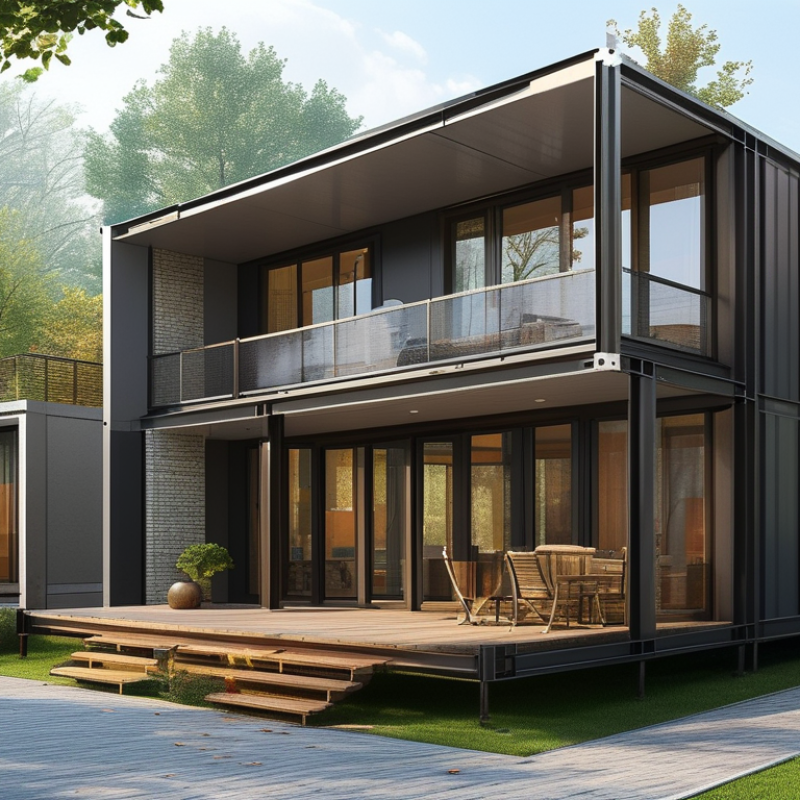
Modular House vs Traditional House Which is Better for You?

Modular House: Definition and Key Features

Modular houses, often prefabricated, come with distinct characteristics. They are built in sections and transported to their final location. According to the Modular Building Institute, modular construction can reduce building time by 30-50%. This efficiency is appealing to many homebuyers.


Modular homes offer customization options. Buyers can choose layouts and finishes that suit their preferences. This flexibility is a significant advantage over traditional houses, which often follow standard designs. However, there may be limitations based on local regulations that require reflection before making a decision.


A key feature of modular homes is energy efficiency. Reports indicate that modular homes can reduce energy costs by up to 20%. This aspect makes them attractive in a market that increasingly values sustainability. Despite these benefits, some potential homeowners question the resale value of modular homes. Understanding potential challenges is essential for making an informed choice.

Traditional House: Definition and Key Characteristics

Traditional houses have been a cornerstone of residential living for centuries. They often reflect local building styles and cultural traditions. Key characteristics include sturdy materials like brick and wood. These houses usually feature distinct architectural styles, such as Victorian or Colonial. They are built to last, often with a focus on craftsmanship. The charm of a traditional house lies in its unique design and historical significance.

Traditional houses often offer spacious interiors and tailored layouts. Families enjoy larger living areas and numerous rooms. Gardens and outdoor spaces are common, adding to the home’s appeal. However, these homes can require frequent maintenance. Aging roofs or plumbing systems can lead to unexpected costs. While they provide comfort, they may lack modern efficiency, impacting energy bills. People must consider these factors when choosing their living space.

Comparative Analysis of Cost and Affordability

When comparing modular houses and traditional homes, cost and affordability play essential roles. Modular houses often present a more budget-friendly option. Their factory assembly reduces labor costs and accelerates the building process. This efficiency leads to savings, which can be significant for first-time buyers.

Traditional homes may come with hidden expenses. Land acquisition, permits, and unexpected repairs can inflate the overall cost. Buyers may face sticker shock. It is crucial to factor in these potential costs early in the planning process.

Tips: Consider your long-term financial goals. Modular homes may offer lower maintenance costs. Evaluate the resale value too. Not all locations favor modular houses. Research local real estate trends. Make an informed decision based on where you live and future prospects.

Modular House vs Traditional House: A Comparative Cost Analysis

Construction Time and Efficiency: Modular vs Traditional

When it comes to construction time, modular houses often outperform traditional houses. According to the Modular Building Institute, modular construction can reduce building time by 30% to 50%. This speed is due to the simultaneous processes in manufacturing and site preparation. In traditional construction, delays are common, especially from weather or labor shortages.

Efficiency is another key difference. Modular homes are pre-fabricated in controlled environments, which minimizes waste. A report by the National Institute of Standards and Technology found that modular construction can reduce waste by up to 90%. This means less impact on the environment and significant cost savings. However, some developers argue that the customizability of traditional homes leads to better long-term value.

Despite these advantages, modular homes can face zoning issues and perceptions of lower quality. Some buyers feel they lack the charm of traditional homes. This can complicate the decision-making process. It's important to weigh these factors carefully. Modular construction brings efficiency but requires a shift in how we view homebuilding.

Customization and Design Flexibility in Homes

Customization is a key factor when choosing a home. Modular houses offer unique design flexibility. They allow homeowners to tailor every aspect. From floor plans to finishes, choices abound. Whether you prefer open spaces or cozy nooks, modular homes can adapt. This adaptability addresses varied lifestyles and preferences, striking a balance between function and aesthetics.


On the other hand, traditional houses come with their own charm. The classic architectural styles provide character and history. However, customizing them often requires extensive renovations. Changes can be costly and time-consuming. A homeowner might think of a modern kitchen or an extra room. Yet, achieving this in a traditional setting can prove challenging. Flexibility sometimes comes at a higher cost with conventional homes.


While modular houses are appealing, they are not without potential drawbacks. Some people perceive them as less visually appealing. The rapid manufacturing might raise questions about quality. It’s essential to research before making a decision. Each option has its merits and flaws, inviting careful consideration. Analyze your needs, lifestyle, and vision for your future home. This reflection can guide you toward the best choice.

FAQS

: What are modular houses?

: Modular houses are prefabricated homes built in sections and transported to their final location.

How does modular construction impact building time?

Modular construction can reduce building time by 30-50%, appealing to many homebuyers.

Can buyers customize modular homes?

Yes, buyers can choose layouts and finishes. However, local regulations may impose limitations.

What are the energy efficiency benefits of modular homes?

Modular homes can reduce energy costs by up to 20%, making them attractive for sustainability-minded buyers.

Are modular homes affordable compared to traditional homes?

Yes, modular homes often have lower costs due to factory assembly, reducing overall expenses.

What hidden costs should buyers consider?

Buyers should factor in land acquisition, permits, and unexpected repairs with traditional homes.

Do modular homes have a good resale value?

Potential resale value varies. Some regions favor traditional homes, impacting modular home sales.

What are the maintenance costs for modular homes?

Modular homes may offer lower maintenance costs, providing savings for long-term owners.

Should buyers research local real estate trends?

Yes, understanding local trends is essential for making informed decisions about modular home investments.

What are common challenges with modular homes?

Challenges include regulations, potential lower resale value, and the need for thorough research before purchasing.

Conclusion

The article "Modular House vs Traditional House: Which is Better for You?" explores the key differences between modular houses and traditional houses. A modular house is defined by its prefabricated components, which are manufactured off-site and assembled on location, offering benefits such as quicker construction times and often lower costs. Traditional houses, in contrast, are built on-site using conventional techniques and may provide a sense of permanence and customization tied to the location.

In terms of cost and affordability, modular houses tend to be more economical due to reduced labor expenses and quicker build times. The article also highlights the design flexibility inherent in modular homes, allowing for various layouts and styles without compromising structural integrity. Ultimately, the comparative analysis of modular house vs traditional house provides valuable insights for prospective homeowners, helping them decide which option best suits their needs and lifestyle preferences.

Aria

Aria

Aria is a dedicated marketing professional with a deep passion for innovative strategies and a keen understanding of our company's product offerings. With a wealth of experience in the industry, Aria excels at crafting engaging content that highlights the unique features and benefits of our......