Modular construction moves much of a building’s work from the jobsite to a factory. Wall panels, bathrooms, or entire room units arrive ready for assembly. What are the advantages of modular construction? The clearest benefits are faster schedules, more predictable production, and less disruption at the site. McKinsey’s 2019 report, Modular Construction: From Projects to Products, estimates that modular methods can reduce construction timelines by 20 to 50 percent. That potential matters when weather, labor shortages, and crowded sites threaten a project schedule. But it is not automatic.
The Dodge Data & Analytics 2020 Prefabrication and Modular Construction SmartMarket Report also documents contractors’ reported benefits, including improved productivity and schedule performance. Ryan E. Smith, an off-site construction researcher and author of Offsite Architecture, emphasizes a key principle: modular construction works best when design, fabrication, and site assembly are coordinated as one process. That means resolving module dimensions, service routes, delivery access, and crane placement early—not after the factory has started production. Small decisions matter. A few centimeters can affect a corridor connection or lift sequence.
The advantages are real, but they depend on careful planning. Transport limits, late design changes, and poor coordination can erase expected savings. Factory-built does not mean risk-free. This introduction explores how project teams can capture modular construction’s benefits while recognizing its practical constraints and making evidence-based choices.
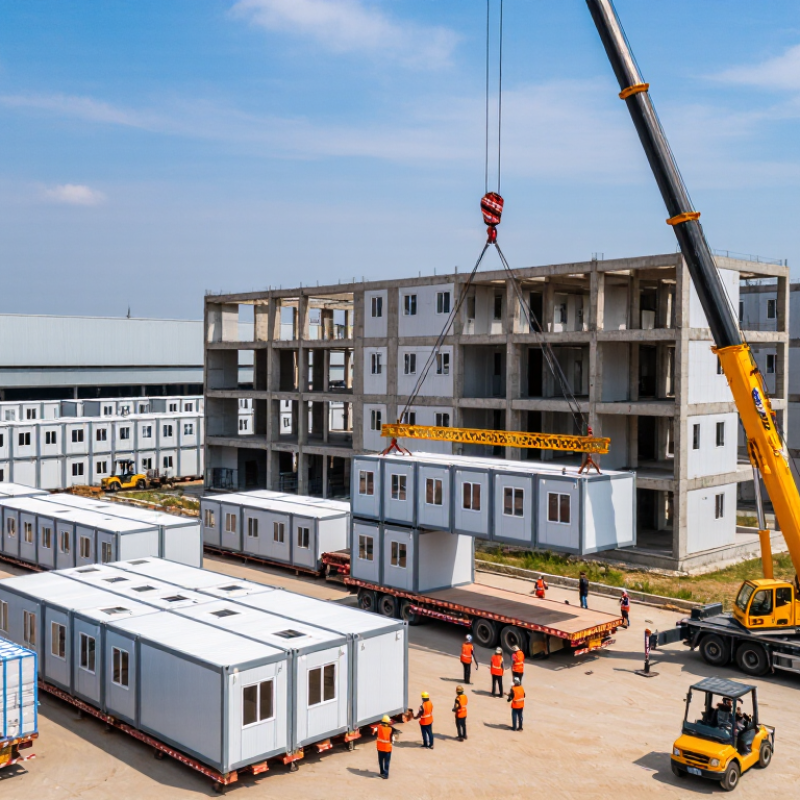
Understanding Modular Construction and Its Core Advantages
Modular construction assembles building sections in a factory, then transports them to the site for installation. These sections may include walls, bathrooms, or complete rooms. Factory work can proceed while foundations are prepared outdoors. That overlap can shorten the wait between early construction and enclosure.
McKinsey’s 2019 report, Modular construction: From projects to products, estimates suitable modular projects can reduce construction time by 20–50% and costs by up to 20%. These are potential results, not guarantees. Repeated room layouts and stable specifications make the approach easier to apply. Controlled production can also limit weather exposure and support consistent inspections. Small details matter.
Benefits depend on planning. A late design change may require costly factory revisions, while narrow roads or limited crane access can complicate delivery. Modular construction is not automatically greener, either; material use and transport still matter. A practical assessment should compare site conditions, repetition, schedule, and logistics before choosing a system. The numbers are promising, but project teams should test assumptions against local constraints.
Building sections are made in a factory, then transported for site installation. Sections can include walls, bathrooms, or complete rooms.
Estimates suggest suitable projects may reduce construction time by 20–50% and costs by up to 20%. These are potential gains, not guarantees.
Repeated room layouts, stable specifications, and early design decisions help factory production. Highly customized projects or frequent late changes can make it harder.
Check truck access, turning space, module dimensions, crane capacity, and storage areas. A narrow street can quickly remove schedule advantages.
Late changes may require costly factory revisions. Confirm layouts, structural grids, connection points, and utility needs before production begins.
Allow time for materials, fabrication slots, inspections, and delivery windows. A quoted lead time may not include every coordination step.
Prepare foundations, drainage, temporary storage, and safe crane access. Soil conditions and weather can alter the planned sequence.
Not always. Material use and transport still matter, so compare them with the project’s actual site conditions.
Mark the crane area, photograph access routes, and measure tight turns. Assign one person to track changes and readiness. Easy to miss. A site walk may reveal what drawings do not.
Modular construction offers a practical way to deliver buildings by producing components in a controlled off-site environment while preparing the site at the same time. To understand what are the advantages of modular construction, consider how this approach can improve schedule predictability, quality control, material efficiency, and coordination. Its suitability depends on the project’s design, location, access, schedule, and need for repeatable components; not every building or site will benefit equally.
Successful delivery starts with early collaboration on design, procurement, transport, and site preparation. Clear plans help ensure that modules fit together and that foundations, utilities, and access routes are ready before delivery. Off-site fabrication must be coordinated closely with on-site work, with regular communication and quality checks at each stage. After completion, evaluate performance against the project’s goals for cost, schedule, construction quality, and sustainability. This balanced assessment helps teams identify what worked well and make informed decisions about using modular methods on future projects.

 Eky Home