For global buyers, modular house pricing is rarely determined by the floor plan alone. The final figure reflects design complexity, materials, factory location, transport distance, site access, labor, and local approval requirements. A compact home with premium finishes may cost more than a larger, simpler model. That surprises many first-time buyers.
Tom Hardiman Jr., Executive Director of the Modular Building Institute, describes modular construction clearly: “Modular construction is a construction process, not a building type.” This distinction matters when examining what affects modular house pricing. The building method can improve factory efficiency, but it does not remove foundation work, utility connections, inspections, or delivery risks. Those costs still require careful planning.
Location changes everything.
A buyer in a remote coastal area may face limited road access, crane requirements, and expensive sea freight. Another buyer may reduce logistics costs through a nearby factory, but pay more for imported finishes. Currency movements can also change a quotation before production begins. Insurance, taxes, and regional energy standards add further uncertainty.
Reliable evaluation requires more than comparing advertised prices. Buyers should request itemized quotations, confirm what the factory excludes, and ask for recent delivery examples. Speaking with architects, transport contractors, and previous customers can reveal practical issues that brochures hide. No estimate is perfect. I would question any quotation that looks unusually simple.
This guide examines the main cost drivers, from customization and materials to shipping, installation, and long-term performance. It also highlights overlooked expenses, helping international buyers compare modular homes with greater confidence and fewer costly assumptions.
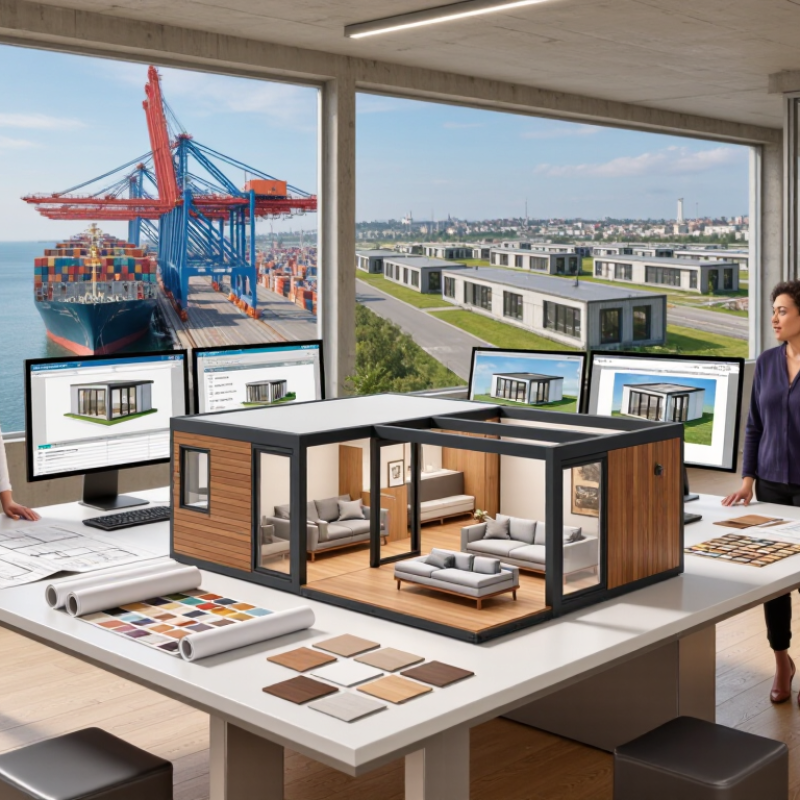
What Modular House Pricing Includes
For global buyers, modular house pricing starts with the factory-built structure. The quoted figure may include wall panels, floors, roofing, windows, doors, and basic interior finishes. Some suppliers also include kitchen cabinets, bathrooms, insulation, wiring, and plumbing fixtures. This is where comparisons become difficult. A lower price may simply exclude essential work. Ask for an itemized scope before comparing offers.
Pricing often includes engineering drawings and factory quality checks. It may not include land preparation, local permits, taxes, utility connections, or installation labor. Shipping is especially variable. A unit leaving a coastal factory may still need inland transport, customs handling, storage, and unloading. Some estimates assume flat access and a ready foundation. That assumption can fail on a sloped or remote site. Small omissions can create large budget changes.
Tips: Request a line-by-line quotation, delivery terms, currency, warranty, and payment schedule. Confirm whether prices include local taxes and site installation. Use a contingency for ground conditions and exchange-rate movement. Keep written revisions. Even careful budgets need revision when local conditions differ from the drawings.
How Design and Materials Change the Base Cost
What Affects Modular House Pricing for Global Buyers?
Design decisions shape the base cost before materials arrive.
A simple rectangular plan usually needs fewer factory cuts, joints, and transport supports. Complex rooflines, balconies, and oversized glazing add labor and engineering time.
McKinsey Global Institute reported that modular construction can reduce project schedules by 20–50% and costs by up to 20%.
These figures are useful, but not universal. Remote sites, customs procedures, and local code approvals can erase those gains.
Materials create a second, less visible price layer.
The NAHB 2024 Cost of Constructing a Home survey placed interior finishes at 24.1% of construction cost, framing at 16.7%, and major system rough-ins at 19.2%. A buyer choosing imported stone, triple glazing, or premium insulation may increase both purchase and installation costs. Weight matters too. Heavier wall systems can raise shipping and foundation requirements. Small choices compound quickly.
Do not trust the lowest quotation blindly.
A cheaper panel may need extra weatherproofing or skilled local installation. That part is often missed. Buyers should request a cost schedule covering design changes, transport, foundations, utilities, permits, and site labor. Regional price data from Turner & Townsend’s 2024 International Construction Market Survey also shows major differences between construction markets. Reports guide decisions, but they cannot replace a site-specific review.
My own view is cautious: modular housing saves money most reliably when the design stays disciplined.
Why Location and Transportation Affect the Final Price
Location can change a modular house quote before construction begins. UNCTAD’s Review of Maritime Transport reports that over 80% of global trade by volume moves by sea. A house shipped across an ocean therefore depends on port charges, container availability, fuel surcharges, and customs handling. Oversized wall panels may require special equipment. That cost can rise quickly.
The World Bank’s Logistics Performance Index 2023 assessed 139 economies and highlighted major differences in delivery reliability and border efficiency. A remote buyer may pay more for cranes, temporary storage, escort vehicles, and difficult last-mile access. Narrow roads matter. So does weather. A coastal site might reduce ocean transport costs but still face expensive inland delivery. A rural site can reverse that advantage. Estimates often look too clean on paper. Real sites are messier.
Tips: Ask for a landed-cost estimate, not only a factory price. Request separate figures for port handling, inland trucking, permits, crane hire, insurance, and storage. Measure the narrowest road section and check bridge limits before ordering. Leave a contingency of roughly 10–20% for transport-related changes, especially when routes cross borders. This is practical guidance, not a fixed rule. Local engineers and licensed logistics professionals should verify the final route.
Transportation becomes a larger part of the final modular house price as the distance between the factory and building site increases. These indicative planning estimates show the typical logistics share of the factory-gate price, excluding land, local construction labor, taxes, permits, and site preparation. Actual costs depend on module dimensions, road access, lifting equipment, customs, fuel prices, and local regulations.
How Land, Site Preparation, and Local Rules Add Expenses
What Affects Modular House Pricing for Global Buyers?
A factory quotation rarely reflects the full cost of a modular home. Land can be the largest expense before construction begins. Prices vary by location, access, zoning, and available services. A rural plot may look affordable, yet electricity and water connections can add substantial costs.
Site preparation often creates the biggest surprises. Professionals may need a boundary survey, soil test, drainage plan, or environmental assessment. Rocky ground can require excavation equipment. Soft soil may need stronger foundations. Trees, slopes, narrow roads, and limited crane access also increase labor and transport charges. Weather can delay preparation and raise equipment rental costs. Even careful estimates sometimes miss these details.
Local rules can change the budget again. Building permits, energy standards, fire requirements, and foundation specifications differ between regions. Some areas require stamped drawings from locally licensed professionals. Others impose impact fees or special inspections. Buyers should request written estimates from builders, surveyors, utility providers, and local authorities. Comparing only the home price is misleading. A more reliable budget includes land, surveys, preparation, transport, installation, utility connections, permits, taxes, and contingency funds. The difficult part is accepting that early numbers may be incomplete. Revising them is not failure; ignoring them is.
What Affects Modular House Pricing for Global Buyers? - How Land, Site Preparation, and Local Rules Add Expenses
| Market and Typical Setting |
Land Purchase or Lease Cost
Typical rural-to-suburban range |
Site Preparation
Per home site |
Utility Connections |
Permits, Surveys and Compliance |
Delivery and Local Installation |
Indicative Added Cost
Excluding the modular house |
Local Rules That Commonly Affect the Budget |
United States
Midwest or smaller inland town |
US$35,000–US$180,000 |
US$20,000–US$65,000 |
US$10,000–US$45,000 |
US$8,000–US$30,000 |
US$25,000–US$75,000 |
US$98,000–US$395,000 |
County zoning, frost-depth foundations, septic approval, driveway permits and local building-code inspections. |
United States
West Coast or high-demand suburb |
US$180,000–US$900,000+ |
US$45,000–US$180,000 |
US$25,000–US$120,000 |
US$20,000–US$80,000 |
US$35,000–US$110,000 |
US$305,000–US$1,390,000+ |
Wildfire, seismic, hillside, energy-efficiency and stormwater requirements can require engineering upgrades. |
Canada
Ontario or British Columbia rural area |
CA$75,000–CA$350,000 |
CA$35,000–CA$110,000 |
CA$20,000–CA$80,000 |
CA$12,000–CA$45,000 |
CA$30,000–CA$95,000 |
CA$172,000–CA$680,000 |
Deep frost foundations, snow-load design, rural septic systems, conservation reviews and municipal permits. |
United Kingdom
England or Wales outside major cities |
£80,000–£400,000 |
£25,000–£90,000 |
£15,000–£65,000 |
£12,000–£45,000 |
£20,000–£70,000 |
£152,000–£670,000 |
Planning permission, access for abnormal loads, Building Regulations, drainage and protected-area restrictions. |
Australia
New South Wales or Victoria regional area |
AU$150,000–AU$650,000 |
AU$35,000–AU$120,000 |
AU$20,000–AU$85,000 |
AU$15,000–AU$55,000 |
AU$30,000–AU$100,000 |
AU$250,000–AU$1,010,000 |
Bushfire attack level, wind classification, BAL-rated materials, council approvals, water tanks and wastewater systems. |
Germany
Rural or semi-rural municipality |
€60,000–€350,000 |
€30,000–€100,000 |
€15,000–€60,000 |
€15,000–€50,000 |
€25,000–€80,000 |
€145,000–€640,000 |
Bebauungsplan requirements, energy standards, soil reports, access roads and connection fees for developed land. |
Japan
Regional city or suburban plot |
¥5,000,000–¥45,000,000 |
¥3,000,000–¥12,000,000 |
¥1,500,000–¥6,000,000 |
¥1,500,000–¥5,000,000 |
¥3,000,000–¥10,000,000 |
¥14,000,000–¥78,000,000 |
Earthquake and snow-load standards, narrow-road delivery, land-use zoning, retaining walls and demolition of existing structures. |
United Arab Emirates
Outlying residential development |
AED 250,000–AED 2,000,000 |
AED 80,000–AED 300,000 |
AED 50,000–AED 200,000 |
AED 35,000–AED 120,000 |
AED 90,000–AED 300,000 |
AED 505,000–AED 2,920,000 |
Municipality approval, plot coverage limits, extreme-heat design, imported-material certification and utility availability. |
Planning note: These are indicative 2024–2025 planning ranges for a single residential site and exclude the modular house itself, financing, taxes, landscaping and unusual ground conditions. Actual costs vary significantly with land location, access, soil, slope, utility distance, transport route and local approval requirements.
Conclusion
What affects modular house pricing depends on more than the factory cost of the home itself. The base price may include the structural system, standard finishes, basic fixtures, design services, and manufacturing, while upgrades such as larger layouts, custom floor plans, premium materials, energy-efficient systems, and advanced interior features can raise the total. Buyers should compare what is included in each quotation to avoid unexpected differences.
Location also plays a major role in the final budget. Transportation distance, delivery access, local labor rates, land conditions, foundation work, utility connections, permits, inspections, and regional building requirements may all add expenses. Financing terms, taxes, insurance, maintenance, and expected energy savings are also important when evaluating long-term value. A careful estimate should therefore consider both the initial purchase price and the complete cost of preparing, delivering, installing, and owning the modular home.

 Eky Home