In the realm of modern architecture, modular houses are gaining significant attention. Their innovative designs appeal to many homeowners. With the rise in popularity, one significant question arises: can modular houses be customized? The answer is a resounding yes. However, the customization options can vary widely based on the manufacturer and client needs.
Many companies offer different levels of personalization. Homebuyers can choose floor plans, materials, and finishes. Some allow custom layouts or unique features such as eco-friendly technologies. Yet, it is essential to acknowledge that not every module will accommodate every request. Limitations exist due to structural integrity and budget constraints.
Additionally, the process may seem daunting. Clients should consider the trade-offs between personalization and cost. It is wise to consult with experts who understand market trends and building regulations. Ultimately, ensuring that desired features align with practical budgets is crucial in creating the perfect modular home.
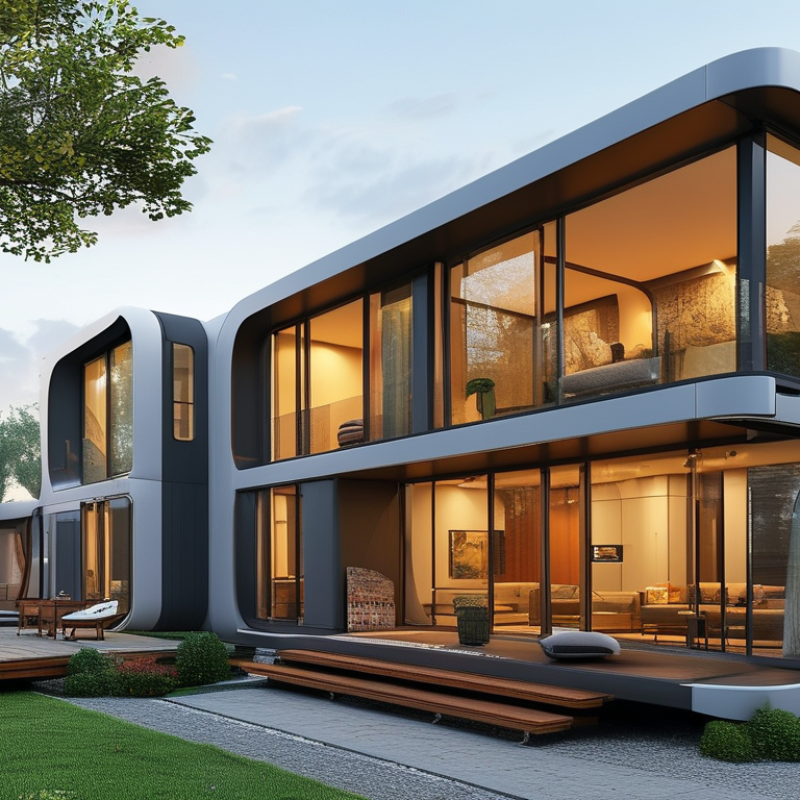
Modular houses are increasingly popular due to their flexibility and efficiency. These homes are built off-site and delivered ready for assembly. This method shortens construction time and helps reduce waste. Many homeowners find these structures customizable to fit their personal styles and needs.
The benefits of modular houses extend beyond quick construction. Stronger materials often lead to better durability. These homes can be designed to be energy-efficient, lowering utility costs over time. However, challenges remain. Finding the right location can be difficult, and some areas may have strict zoning laws.
Customization options are abundant, yet they can be overwhelming. Homeowners can choose from various layouts, finishes, and features. Each decision impacts the final look and functionality. It’s essential to plan carefully and think about long-term needs rather than immediate desires. Reflecting on how each choice guides the overall experience in the home can lead to better, more satisfying living spaces.
Customization options for modular houses are diverse and appealing. Homebuyers now have a multitude of choices when designing their dream homes. According to recent reports by the Modular Building Institute, approximately 90% of modular home buyers prioritize custom features.
One popular option is layout flexibility. Homeowners can choose from open floor plans or traditional layouts. This flexibility allows for personal preferences and lifestyle needs to be accommodated. High-quality materials also play a crucial role. Many manufacturers offer a range of building materials, from eco-friendly options to luxury finishes. This catering to various tastes can enhance the home's aesthetic appeal.
Another significant area of customization is energy efficiency. Reports indicate that 70% of modular homeowners focus on energy-saving features. Insulation packages and solar panel installations are common requests. However, some buyers initially overlook the long-term benefits of energy efficiency. This reflection can lead to better decision-making. Ultimately, customization in modular homes enables buyers to create spaces that truly reflect their personalities and values.
When it comes to modular home customization, design features play a significant role. Homeowners often seek unique elements that reflect their personality. Popular choices include open floor plans, which create a spacious feel. Large windows are also favored, bringing in natural light and connecting the indoors with the outdoors.
Another trend is eco-friendly design. Many opt for sustainable materials, which not only look good but also reduce environmental impact. Energy-efficient appliances and solar panels are increasingly common in customized modules. However, balancing aesthetics with functionality can be challenging. Some designs may look appealing but could lack practicality in everyday use.
Personalization in modular homes can lead to unexpected complications. For instance, custom layouts may encounter zoning issues. Not every feature suits every location or lifestyle. Homebuyers must carefully consider their needs and local regulations. A dream design might require some adjustments to meet practical requirements. It’s essential to weigh desires against realities.
When delving into modular house customization, several factors play crucial roles. The location of your home significantly influences your choices. Different regions have unique weather conditions which affect design, materials, and energy efficiency. Consider the climate to ensure your home remains comfortable year-round.
Budget constraints are another pivotal factor. Customizations may range widely in cost. It's important to prioritize features that matter most to you. However, be aware that saving on one aspect might lead to higher long-term expenses. Focus on energy-efficient options, as they often pay off in the long run.
Tips: Always conduct thorough research before making decisions. Look for sustainable materials that suit your style. Engage with professionals who understand local regulations and design trends. Don’t rush; allow yourself time to reflect on your needs. A well-thought-out customization process can yield better results. Evaluate your priorities regularly and adjust as necessary during the planning phase. Engaging in a reflective dialogue with your family can also help clarify shared visions.
When considering customization options for modular houses, cost is a crucial factor. Homeowners often find themselves balancing desires with budget constraints. Each customization, from floor plans to materials, affects the overall price. For instance, unique designs can drive up costs significantly. Standard features may appear less appealing, yet they often provide both value and efficiency.
Tip: Always prioritize essential features first. Focus on structural elements that enhance livability. This ensures that your budget aligns with your core needs.
It's important to reflect on what is truly necessary versus what is a luxury. Many homeowners get carried away with high-end finishes. While they can be stunning, they may not add productive value in the long run. Consider investing more in energy-efficient systems. They can reduce long-term costs while increasing comfort.
Tip: Schedule meetings with contractors early. Gather various estimates to gain a clearer financial view. This helps prevent overspending and allows for informed decisions.
| Customization Option | Description | Estimated Cost ($) | Time Frame (Weeks) |
|---|---|---|---|
| Floor Plan | Choose layout, number of rooms, and spacing | 5,000 - 10,000 | 4 - 6 |
| Exterior Finishes | Siding, roofing, and paint options | 3,000 - 7,000 | 3 - 5 |
| Kitchen Customization | Cabinets, countertops, and appliances | 10,000 - 20,000 | 6 - 10 |
| Bathroom Features | Vanities, showers, and fixtures | 5,000 - 15,000 | 4 - 8 |
| Energy Systems | Solar panels, heating, and cooling options | 7,000 - 15,000 | 6 - 10 |
: Modular houses are built off-site and assembled on location. This approach speeds up construction and minimizes waste.
They offer quick construction, durability, and energy efficiency. Lower utility costs can be achieved over time.
Yes, homeowners can choose various layouts, finishes, and features to match personal styles and needs.
Factors like location, budget, and climate impact your choices. It’s essential to prioritize what matters most to you.
Insulation packages and solar panels are popular options. Long-term savings should be considered, even if overlooked initially.
Yes, strict zoning regulations can complicate location choices. Research local laws to avoid potential issues.
The abundance of choices can lead to confusion. Reflections on long-term needs can help guide better decisions.
Take time to reflect on your needs and involve family in discussions. A clear vision leads to satisfying living spaces.
Weather impacts design and material choices. Proper planning ensures comfort throughout the year.
No, take your time. Thorough research and reflection can lead to a more rewarding outcome in your home design.
Modular houses offer a unique approach to home construction, combining efficiency with flexibility. One of the primary advantages of modular homes is their ability to be customized according to individual preferences. Homeowners often wonder, "can modular houses be customized?" The answer is a resounding yes. There are various customization options available, ranging from layouts and materials to finishes and design features, allowing for a home that truly reflects the owner's style.
When considering customization for modular houses, several factors come into play, such as budget constraints and local building regulations. Popular design features include open floor plans, energy-efficient materials, and modern amenities that cater to contemporary living. Understanding the cost implications associated with these customization choices is essential for any potential homeowner, ensuring that they can achieve their dream modular home within their financial means.
Eky Home